Seeking inner peace doesn’t require monastic life! This guide offers accessible enlightenment principles, blending ancient wisdom with modern life, even for the “lazy” seeker.
What Enlightenment Isn’t (and Is)
Enlightenment isn’t a mystical escape from reality, nor does it demand becoming a secluded monk. It’s not about achieving perpetual bliss, erasing emotions, or possessing supernatural powers. Forget dramatic transformations or instant awakenings; it’s a gradual unveiling, a shift in perception.
Instead, enlightenment is recognizing the impermanent nature of everything, including ourselves. It’s about understanding the illusion of a fixed “self” and lessening suffering through mindful awareness. It’s finding peace amidst the chaos, accepting what is, and acting with compassion. This “lazy” approach emphasizes small, consistent steps – observation, gratitude, and mindful living – integrating wisdom into daily routines, not radical life changes.
Why Bother with Enlightenment? Benefits in Modern Life
In our hyper-stimulated world, enlightenment offers a refuge from constant stress and anxiety. It’s not a luxury, but a practical tool for navigating modern challenges. By cultivating awareness, we reduce reactivity, improving relationships and decision-making. Understanding impermanence lessens attachment to outcomes, fostering resilience.
Even small shifts in perspective – mindful consumption, compassionate action – create ripple effects. It’s about finding contentment amidst societal pressures, breaking negative karmic cycles, and living with greater authenticity. This isn’t about escaping life, but fully experiencing it, with clarity and peace, even for the “lazy” seeker prioritizing ease and integration.

The Core Principles – Simplified
Ancient wisdom, streamlined for modern life! We’ll unpack impermanence, non-self, and suffering – core concepts – without the complex jargon, for practical understanding.
Understanding Impermanence (Anicca)
Everything changes. This isn’t a pessimistic view, but a liberating truth! Recognizing anicca – impermanence – is fundamental. Think of your favorite song; even repeated listening diminishes its initial impact. Emotions, relationships, even your own body are in constant flux.
For the “lazy” seeker, this means letting go of clinging. Don’t waste energy trying to hold onto things that will inevitably change. Acceptance, not resistance, is key. Observe a falling leaf – it doesn’t fight the wind. This isn’t about apathy, but about freeing yourself from unnecessary suffering caused by attachment. Embrace the flow, and find peace in the present moment, knowing it’s fleeting.
The Concept of Non-Self (Anatta) – Letting Go of “I”
Who are you, really? Anatta, the concept of non-self, challenges our ingrained belief in a permanent, independent “I.” It’s not about denying your existence, but realizing you’re a constantly changing collection of physical and mental processes.
For the “lazy” seeker, this is profoundly freeing. Stop identifying so strongly with your thoughts, feelings, and possessions. They are not you; they simply arise and pass away. Observe your ego’s stories without getting swept away. This detachment reduces self-centeredness and fosters compassion. Let go of the need to control everything, and experience a sense of spaciousness and liberation.
Suffering (Dukkha) and Its Roots
Life inevitably includes discomfort. Dukkha isn’t just pain; it’s a pervasive sense of unsatisfactoriness, stemming from impermanence and our attachment to things that will change. For the “lazy” seeker, understanding this is key – not to eliminate suffering entirely, but to change your relationship with it.
The root of suffering lies in craving and aversion. We want things to be different than they are. Instead of fighting reality, acknowledge discomfort without judgment. Observe your cravings and aversions as passing mental events. Acceptance doesn’t mean resignation; it means freeing energy from resistance, allowing for peace amidst life’s challenges.
Practical Techniques for the “Lazy” Seeker
Small steps yield big results! These techniques require minimal effort, integrating mindfulness into daily routines for gradual, sustainable progress towards inner peace.
Mindfulness Meditation – Starting Small
Don’t aim for hours of silent contemplation! Begin with just five minutes daily. Find a quiet space, sit comfortably, and gently focus on your breath. Notice the sensation of each inhale and exhale.
Thoughts will arise – that’s perfectly normal. Simply acknowledge them without judgment, like clouds passing in the sky, and gently redirect your attention back to your breath.
There are numerous guided meditation apps available, offering beginner-friendly sessions. Consistency is key; even short, regular practice cultivates present moment awareness. This builds a foundation for deeper exploration, without overwhelming your schedule or willpower. It’s about progress, not perfection!
The Power of Observation – Witnessing Your Thoughts
Become a detached observer of your own mind. Instead of getting caught up in your thoughts, practice simply noticing them as they arise and pass away. Imagine you’re watching a movie screen – the thoughts are the images, but you are not the screen itself.
This creates space between you and your mental chatter, diminishing its power. Recognize thoughts as fleeting mental events, not necessarily truths or commands.
Labeling thoughts (“thinking,” “worrying,” “planning”) can further distance you. This practice, rooted in mindfulness, fosters equanimity and reduces reactivity. It’s a subtle yet profound shift in perspective, accessible with consistent effort.
Gratitude Practice – Shifting Your Focus
Cultivate contentment by intentionally focusing on the good. Gratitude isn’t about ignoring difficulties, but about balancing them with appreciation for what is present. Keep a gratitude journal, listing three things you’re thankful for each day – simple pleasures count!
Express gratitude to others, strengthening connections and fostering positive emotions. Notice the small joys often overlooked: a warm drink, a sunny day, a kind word.
This shifts your perspective from lack to abundance, reducing dissatisfaction and increasing overall well-being. It’s a remarkably easy practice with surprisingly powerful effects.

Integrating Enlightenment into Daily Life
Enlightenment isn’t a destination, but a way of being. Infuse mindful awareness into everyday actions – consume consciously, act with compassion, and embrace emotions.
Mindful Consumption – Food, Media, and More
Applying enlightenment to daily choices starts with awareness. Consider what fuels your body and mind – is it nourishing or distracting? Mindful eating means savoring each bite, noticing textures and flavors, rather than rushing through meals.
Extend this practice to media intake. Instead of endless scrolling, choose content that inspires or educates. Recognize how advertising influences desires, and question the need for constant acquisition.
This isn’t about deprivation, but intentionality. Small shifts in consumption habits – choosing quality over quantity, being present with experiences – cultivate a deeper sense of contentment and align with enlightened living. It’s a “lazy” path because it requires observation, not drastic change.
Compassion in Action – Small Acts, Big Impact
Enlightenment isn’t solely inward; it radiates outward through kindness. Compassion doesn’t demand grand gestures, but consistent small acts. Offer a genuine compliment, help a neighbor, or simply listen without judgment. These seemingly minor actions ripple outwards, creating positive change.
Recognize the interconnectedness of all beings – your happiness is linked to the well-being of others. Cultivating empathy breaks down barriers and fosters a sense of unity.
This “lazy” approach to compassion focuses on integrating kindness into existing routines, rather than adding burdensome commitments. It’s about shifting perspective and responding with generosity in everyday moments.
Dealing with Difficult Emotions – A New Approach
Emotions aren’t enemies to be suppressed, but signals to be understood. Instead of fighting feelings like anger or sadness, practice observing them without judgment. Acknowledge their presence, like clouds passing in the sky – they will eventually shift.
This “lazy” approach avoids intense emotional work. Simply notice the sensation, the physical feeling, without getting caught up in the story;
Recognize that emotions are impermanent, a core principle of enlightenment. Allowing them to be, without resistance, diminishes their power. This mindful acceptance fosters inner peace and resilience.

Zen Buddhism and Enlightenment
Zen offers direct experience, bypassing intellectualizing. Zazen meditation cultivates awareness, while Koans challenge the mind, revealing enlightenment’s simplicity—even for the “lazy.”
The Role of Zazen in Cultivating Awareness
Zazen, or seated meditation, is a cornerstone of Zen practice, but it doesn’t demand hours of rigid posture. Begin with just five or ten minutes daily, focusing on your breath.
The goal isn’t to stop thoughts, but to observe them without judgment, like clouds passing in the sky. This simple act builds awareness of your internal landscape.
Don’t strive for a “perfect” meditation; simply return your attention to your breath when your mind wanders. Consistency is key, even if it feels “lazy” at first.
Over time, Zazen cultivates a quiet spaciousness, allowing you to respond to life’s challenges with greater clarity and equanimity. It’s a gentle, accessible path to presence.
Koans – Puzzles for the Mind
Koans are paradoxical riddles used in Zen Buddhism to challenge logical thinking and spark intuition. They aren’t meant to be solved with the intellect, but rather to exhaust the mind’s usual patterns.
A classic example: “What is the sound of one hand clapping?” Don’t get caught up in finding a “right” answer. Instead, allow the question to simmer in your awareness.
For the “lazy” seeker, koans offer a mental workout that doesn’t require physical exertion.
They gently disrupt habitual thought, opening the door to a more direct experience of reality. Embrace the confusion; it’s part of the process!
Karma and Its Implications
Karma isn’t fate, but cause and effect. Conscious actions create positive cycles, while harmful ones perpetuate suffering – a simple principle for mindful living.
Understanding the Law of Cause and Effect
The principle of karma, often simplified as “what goes around comes around,” is fundamental. It’s not about punishment or reward, but a natural law governing the universe, much like gravity. Every action, thought, and intention creates a corresponding energy that eventually returns to its source.
For the “lazy” seeker, this means you don’t need grand gestures. Small, consistent acts of kindness, honesty, and compassion build positive karma. Conversely, negativity breeds negativity. Recognizing this interconnectedness empowers you to consciously choose actions that cultivate a more peaceful and fulfilling life. It’s about taking responsibility for your own experience.
Focus on intention; even seemingly insignificant choices matter.
Breaking Negative Karmic Cycles
Recognizing patterns is key to escaping repeating negative experiences. Karmic cycles aren’t punishments, but lessons learned through repeated situations. The “lazy” approach isn’t avoidance, but mindful interruption of these patterns. Start by observing your reactions – where do you consistently feel frustration, anger, or sadness?
Instead of dwelling on past mistakes, focus on present choices. Acknowledge the cycle, forgive yourself, and consciously choose a different response. Small shifts in behavior, like practicing patience or offering compassion even when provoked, begin to unravel old karmic threads.
It’s about rewriting your story, one mindful action at a time.
The Role of Infotainment in Accessibility
Enlightenment concepts thrive in popular culture! Media simplifies complex ideas, attracting wider audiences and making spiritual growth more approachable for everyone.
Enlightenment Concepts in Popular Culture
From films to music, enlightenment’s core ideas subtly permeate mainstream entertainment. Consider how narratives exploring detachment, impermanence, or the search for meaning resonate with audiences – often unconsciously. Characters grappling with existential questions, overcoming suffering, or finding peace within themselves mirror Buddhist principles.
Even seemingly frivolous content can spark introspection. The emphasis on “mindfulness” in wellness trends, or the exploration of karma in various storylines, demonstrates a growing cultural interest. This accessibility, through relatable stories and engaging formats, lowers the barrier to entry for those curious about spiritual exploration, offering a “lazy” path to contemplation.
Infotainment’s power lies in its ability to present profound concepts in digestible, non-intimidating ways, sparking curiosity and encouraging further investigation.
Using Media for Spiritual Growth
Leverage readily available media for subtle, yet impactful, spiritual practice. Podcasts discussing mindfulness, documentaries exploring Buddhist philosophy, or even thoughtfully crafted fictional narratives can serve as gentle reminders of core principles. Select content that promotes self-reflection and challenges conventional thinking.
Instead of passively consuming entertainment, actively seek out media that aligns with your intention for inner growth. Utilize guided meditations available on apps or streaming services. Be mindful of the information you absorb, filtering out negativity and focusing on content that inspires compassion and understanding.
This “lazy” approach integrates spiritual learning into existing habits, making it sustainable and enjoyable.
Common Misconceptions Debunked
Enlightenment isn’t a distant goal for ascetics! It’s accessible now, through small shifts in perspective and mindful integration into your everyday routine.
Enlightenment Isn’t About Escaping Reality
Many believe enlightenment involves detaching from the world, seeking solace in isolation or otherworldly pursuits. However, a “lazy” approach reveals a different truth. It’s not about escaping the messiness of life, but fully engaging with it, armed with awareness and compassion.
True enlightenment isn’t a rejection of reality, but a radical acceptance of it. It’s about finding peace within the chaos, recognizing impermanence, and letting go of the need to control everything. This doesn’t mean passively accepting suffering, but responding to challenges with wisdom and equanimity. It’s about being present, even when things are difficult, and finding joy in the simple moments.
This grounded approach makes enlightenment attainable for everyone, regardless of lifestyle or commitments.
You Don’t Need to Be a Monk to Find Peace
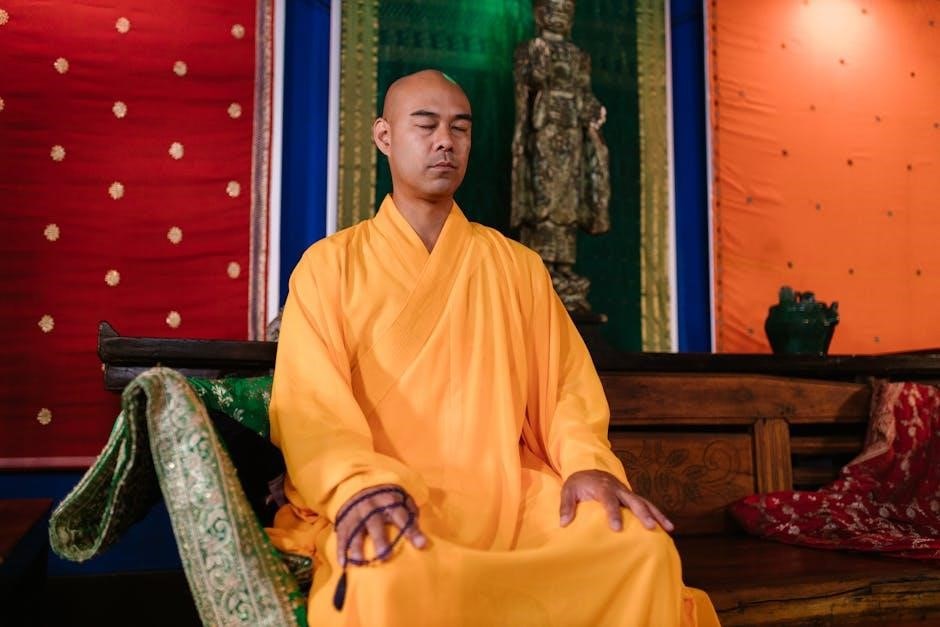
The image of enlightenment often conjures a serene monk, detached from worldly concerns. This can feel inaccessible to those with jobs, families, and everyday responsibilities. Fortunately, the “lazy” path to enlightenment dismantles this misconception. It emphasizes integrating spiritual principles into your existing life, not abandoning it.
Peace isn’t reserved for those who renounce everything. It’s cultivated through small, consistent practices – mindful moments during your commute, gratitude before meals, or compassionate interactions with colleagues. These micro-practices, woven into the fabric of daily life, are profoundly transformative.
Enlightenment isn’t a destination requiring drastic life changes, but a way of being accessible to all.
Resources for Further Exploration
Dive deeper with recommended books on karma and mindfulness! Explore apps offering guided meditation, and discover online platforms for continued spiritual growth.
Recommended Books and Websites
For a gentle introduction, consider “The Heart of the Buddha’s Teaching” by Thich Nhat Hanh, offering accessible insights into core Buddhist principles. “Wherever You Go, There You Are” by Jon Kabat-Zinn provides practical mindfulness exercises for daily life. Explore mindful.org for articles, guided meditations, and a supportive community.
Deeper dives include “Karma: The Four Noble Truths” by His Holiness the Dalai Lama, offering a nuanced understanding of cause and effect. Access to Insight (accesstoinsight.org) provides a vast library of Buddhist texts. For infotainment-style learning, search for podcasts and YouTube channels discussing mindfulness and enlightenment in relatable terms, bridging ancient wisdom with modern understanding.
Apps for Meditation and Mindfulness
For beginners, Headspace offers guided meditations, starting with just a few minutes daily, perfect for a “lazy” approach. Calm provides sleep stories, music, and mindfulness exercises to reduce stress and improve focus. Insight Timer boasts a vast library of free guided meditations from various teachers and traditions.
Consider Ten Percent Happier, founded by a skeptical journalist, offering practical mindfulness for real life. Waking Up, by Sam Harris, provides a more philosophical approach to meditation. These apps make consistent practice accessible, fitting seamlessly into busy schedules, and supporting your journey towards inner peace, one mindful moment at a time.

The Journey, Not the Destination
Enlightenment isn’t a final achievement, but a continuous unfolding. This “lazy man’s guide” emphasizes small, consistent steps – mindful moments woven into daily life. Don’t strive for perfection; embrace the process, accepting imperfections as opportunities for growth.
Remember, even brief practices like gratitude or observation can shift your perspective. Infotainment and accessible apps further simplify the path. The goal isn’t to become enlightened, but to live more consciously, with compassion and presence. Enjoy the journey, and be kind to yourself along the way.